
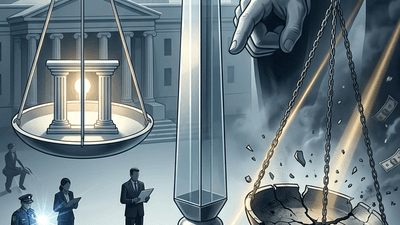



Trust is the fundamental currency of the legal profession. When attorneys cross the line from zealous advocates to active participants in criminal enterprises, the reverberations extend far beyond the defendants themselves, casting a long shadow over the entire industry. For United States counsel, a recent and staggering federal conviction in Louisiana serves as a stark reminder that the Department of Justice (DOJ) is aggressively targeting the "gatekeepers" of the legal system, fundamentally altering the risk landscape for law firms nationwide.
The Fall of the Gatekeepers: The New Orleans Staged Collision Scheme
In a landmark verdict that has sent shockwaves through the personal injury sector, a federal trial jury recently convicted two New Orleans personal injury attorneys and their law firms for their central roles in a sprawling, multi-year staged collision scheme. The attorneys were found guilty of orchestrating a complex fraud designed to siphon millions of dollars from commercial trucking and insurance companies.
The mechanics of the scheme were as audacious as they were illegal. "Slammers" were paid to intentionally crash vehicles into commercial trucks. The attorneys then stepped in, directing the occupants of the cars to specific medical providers who were in on the grift, racking up unnecessary medical bills to inflate the value of the personal injury claims.
"When officers of the court use their law licenses not to seek justice, but to perpetrate organized fraud, they undermine the very foundation of the judicial system. The Department of Justice will relentlessly pursue and prosecute any professional who exploits their position for illicit gain."
This conviction is not an isolated incident but rather the culmination of "Operation Takedown," a massive federal probe that has already resulted in dozens of convictions. However, the successful prosecution of the attorneys themselves marks a critical escalation. The DOJ is no longer just targeting the street-level fraudsters; they are dismantling the legal infrastructure that makes the monetization of these frauds possible.
The Rising Demand for White-Collar Defense and Internal Investigations
The DOJ’s willingness to indict and convict practicing attorneys underscores a broader trend of heightened regulatory and criminal scrutiny facing the legal and corporate sectors in 2026. As federal prosecutors increasingly utilize sophisticated data analytics to identify anomalous patterns in litigation and insurance claims, law firms and their corporate clients are recognizing the urgent need to fortify their own internal compliance and defense mechanisms.
This escalating threat environment is driving a major talent war for elite investigative and white-collar defense counsel. A prime example of this strategic maneuvering is leading U.S. law firm Seward & Kissel’s recent announcement that prominent securities enforcement and regulatory lawyer Craig Warkol has joined the firm to chair its Litigation & Investigations Group.
Warkol’s move highlights the premium that firms are placing on seasoned practitioners who can navigate high-stakes government investigations. Whether defending against SEC enforcement actions or DOJ probes into corporate fraud, the ability to conduct rigorous internal investigations and mount a formidable defense is now a critical capability for top-tier firms. The New Orleans case proves that the targets of these investigations are increasingly the professionals and executives who previously thought themselves insulated from direct liability.
The Reputation Economy: Ethics as a Competitive Advantage
While the New Orleans conviction highlights the catastrophic consequences of ethical failure, the broader legal market continues to heavily reward integrity and professional excellence. In an era where clients are increasingly scrutinizing the ethical footprints of their outside counsel, a firm's reputation is its most valuable asset.
This contrast is starkly illustrated by the recent recognition of Greenspoon Marder attorneys Kelly Purcaro and Kory Ann Ferro, who were named 2026 New Jersey Super Lawyers. This accolade, which relies heavily on peer recognition and professional achievement, serves as the antithesis to the conduct seen in the Louisiana fraud case.
For law firm leadership, celebrating and promoting these types of ethical benchmarks is not just a marketing exercise; it is a vital component of risk management and firm culture. When attorneys are recognized for achieving results through rigorous, ethical advocacy, it reinforces the firm's commitment to the rule of law and signals reliability to prospective clients.
Comparing the Operational Models
To understand the stark divide between legitimate personal injury practice and the fraudulent enterprise dismantled by the DOJ, we can examine the operational mechanics of both:
| Operational Area | Legitimate Practice (Ethical Standard) | Fraudulent Enterprise (The Staged Scheme) |
|---|---|---|
| Client Acquisition | Organic marketing, legitimate referrals, reputation-based inbound inquiries. | Paying "runners" or "slammers" to orchestrate accidents and recruit fake victims. |
| Medical Treatment | Referrals to independent specialists based solely on the patient's medical needs. | Directing clients to complicit doctors who perform unnecessary surgeries to inflate claim value. |
| Litigation Strategy | Fact-finding, evidence preservation, and good-faith negotiation with insurers. | Filing frivolous lawsuits based on fabricated evidence and false testimony. |
| Risk Profile | Standard malpractice risk, mitigated by adherence to ethical rules and firm oversight. | High risk of federal indictment for wire fraud, mail fraud, and conspiracy. |
Strategic Imperatives for US Counsel in 2026
The convergence of these events—the DOJ's aggressive prosecution of attorneys, the strategic bolstering of internal investigation practices at major firms, and the ongoing market premium on ethical excellence—presents a clear roadmap for US law firms. To navigate this landscape safely, firm leadership must implement the following strategies:
- Audit Third-Party Relationships: Personal injury and workers' compensation firms must rigorously vet their referral sources, investigators, and medical provider networks. Any pattern of anomalous billing or suspect client origination must be investigated immediately.
- Enhance Internal Reporting Mechanisms: Firms must foster a culture where associates and staff feel safe reporting suspected ethical breaches without fear of retaliation. The DOJ often relies on whistleblowers to unravel complex professional frauds.
- Invest in Compliance and Defense Capabilities: As demonstrated by Seward & Kissel's strategic hiring of Craig Warkol, firms must be prepared to handle intense regulatory scrutiny. Having robust internal investigation capabilities is essential for identifying and neutralizing threats before they escalate to federal indictments.
- Leverage Technology for Anomaly Detection: Insurers are already using AI to detect fraud patterns. Plaintiff firms must use similar case management analytics to ensure their own dockets do not exhibit the statistical anomalies that trigger DOJ investigations.
Conclusion
The conviction of the New Orleans personal injury attorneys is a watershed moment that redefines the boundaries of legal liability. It shatters the illusion that a law license provides a shield against federal fraud prosecution. As the DOJ continues to turn its sights on the facilitators of white-collar crime, the legal industry must respond with uncompromising ethical rigor.
By investing in top-tier investigative talent, enforcing strict internal compliance, and celebrating the genuine, ethical achievements of their attorneys, US law firms can protect themselves from the severe reputational and legal risks that define the modern enforcement landscape. In 2026, ethical practice is no longer just a professional obligation—it is the ultimate defense strategy.