
search
Navigate the delicate balance of compassion and professional duty by mastering the legal mandates, ethical boundaries, and safe protocols for reporting an impaired colleague.
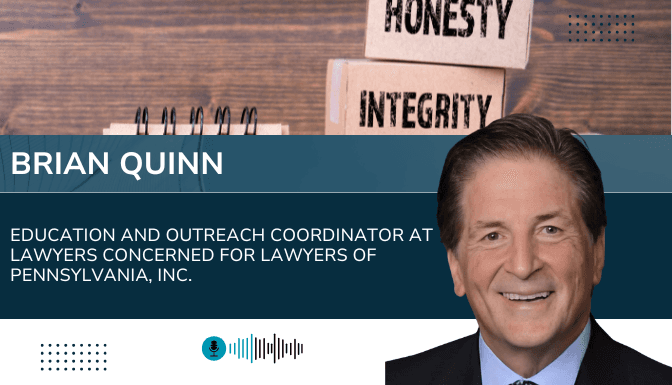
Concerns about substance misuse, burnout, stress, anxiety, and depression are becoming increasingly common within the legal profession—and the consequences of ignoring the warning signs can be significant for lawyers, clients, and firms alike. This timely program examines the ethical, professional, and human challenges that arise when attorneys or staff members show signs of impairment or distress.
Through practical discussion and real-world scenarios, participants will explore the duties imposed by the Rules of Professional Conduct, including reporting obligations, supervisory responsibilities, and the risks of remaining silent when misconduct or impairment is suspected. The program also addresses the stigma surrounding mental health and substance misuse in the legal industry and highlights the confidential support services available through Lawyers Assistance Programs for lawyers, judges, law students, and their families.
Key Topics Discussed:

Education and Outreach Coordinator at Lawyers Concerned for Lawyers of Pennsylvania, Inc.
Brian S. Quinn, Esquire is a licensed attorney in Pennsylvania who currently serves as the Education and Outreach Coordinator for Lawyers Concerned for Lawyers of Pennsylvania, Inc., a Lawyers Assistance program established in 1988 for the purpose of helping lawyers, judges, and law students recover from alcoholism, drug addiction and mental health disorders. Mr. Quinn obtained his undergraduate degree in 1970, his law degree in 1973, and a certificate in Drug and Alcohol counseling in 2012, all from Villanova University. Prior to accepting his position with Lawyers Concerned for Lawyers in 2017, Mr. Quinn was engaged in private practice for nearly 40 years, handling a variety of civil and criminal matters. Mr. Quinn has also worked in the field of Alcohol and Drug Counselling at Mirmont Treatment Center and Malvern Institute in suburban Philadelphia. Mr. Quinn is a past member of the Board of Directors of Lawyers Concerned for Lawyers of Pennsylvania and served as a peer volunteer for over six years prior to accepting his current role as the organization's Educator. As LCL's Educator, Mr. Quinn has conducted CLE presentations for Bar Associations, private law firms, and professional organizations in Pennsylvania, as well as for National CLE providers, on a variety of topics in the fields of Lawyer wellness and impairment in the legal profession.