
search
Master the end-to-end artificial intelligence journey to successfully design, deploy, and scale robust machine learning models that drive measurable business value.

AI systems are no longer experimental—they are operational, regulated, and under increasing scrutiny from agencies like the FTC, SEC, and FDA. For legal professionals, this creates a pressing need to move beyond abstract ethical debates and engage with structured governance in practice.
This webinar introduces the AI Life Cycle Core Principles Framework, a structured governance model that maps 37 principles across 10 pillars and 10 lifecycle stages—from initial design and data sourcing through deployment, monitoring, and eventual retirement. Participants will learn how foundational governance concepts such as transparency, accountability, fairness, privacy, and safety are operationalised across the AI lifecycle.
More importantly, the session focuses on practical legal application: how to translate governance principles into enforceable contracts, internal policies, audit frameworks, and defensible client advice in an evolving regulatory environment. This is a pragmatic guide for lawyers advising on AI risk in real-world commercial and compliance contexts.
Key Topics Discussed:
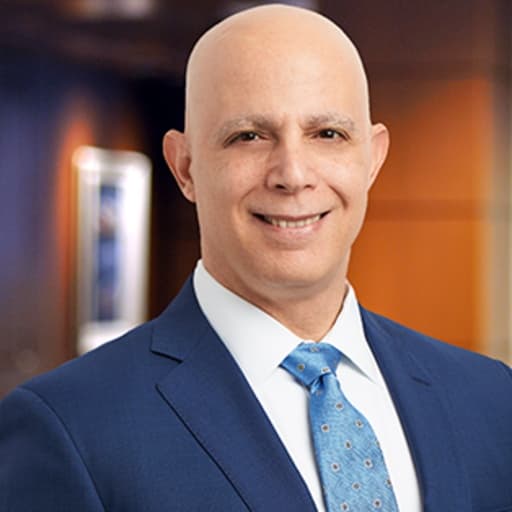
Artificial Intelligence, Cybersecurity, and IP Attorney | Maslon LLP
Eran Kahana is an AI, cybersecurity, and intellectual property lawyer as well as a Fellow at Stanford Law School, a member of the Advisory Board of Stanford Law School’s Stanford Artificial Intelligence & Law Society, an adjunct professor of law at the University of Minnesota Law School, and a member of the Scientific Council of the Israeli Association for Ethics in Artificial Intelligence. In his practice, Eran counsels clients on a wide variety of matters related to AI, cybersecurity, privacy, technology law, trademarks, patents, and copyright issues. Eran also serves in a variety of cybersecurity thought leadership roles and works closely with the FBI, Department of Justice, Secret Service, and colleagues from the private and academic sectors to set, promote, and sustain cybersecurity best practices. At Stanford Law School, Eran writes and lectures on the intersect between law and AI and is a frequent speaker at Stanford's annual Digital Economy Best Practices Conference. He has been cited in Oxford University Professor Marcus Du Satoy’s book The Creativity Code: Art and Innovation in the Age of AI and has been interviewed on AI, cybersecurity, privacy, and technology law by Bloomberg Law, BBC, Canadian Broadcasting Corporation (CBC) radio, KABC radio, Minnesota Public Radio, Twin Cities Business magazine, Star Tribune, Minnesota Lawyer, TheStreet.com, Quartz magazine, and Stanford University Radio, KZSU FM.