
search
Beyond the headlines: Discover the hidden legal traps in AI tools that could cost your company millions.
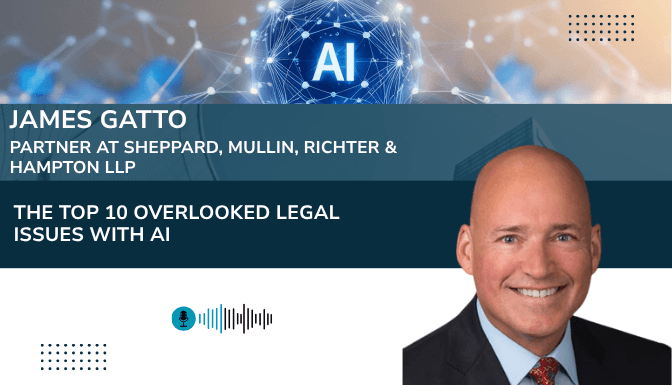
Artificial intelligence is moving faster than most compliance programs—and many organizations are exposed in ways they don’t even realize. From AI note-takers and code generators to webscraping and model training, today’s most common tools raise complex legal questions that often fall outside traditional risk frameworks.
This 1-hour CLE program breaks down the ten most frequently overlooked legal issues surrounding AI use in business and legal practice. We’ll examine when so-called “AI laws” apply to ordinary software features, how existing laws (privacy, IP, consumer protection, contract, and trade secrets) apply to AI tools, and the hidden risks of using public data for training. The session will also address ownership and IP protection of AI-generated outputs, liability exposure for infringing content, indemnification gaps, and the compliance challenges posed by AI recorders and automated coding tools.
Attendees will leave with a practical understanding of where AI risk is most likely to arise—and what must be included in an effective AI governance policy to mitigate exposure before problems surface.
Ideal for attorneys advising businesses, in-house counsel, compliance professionals, and law firm leaders navigating the expanding legal footprint of AI.
By the end of this course, you will be able to navigate the complex AI legal landscape by understanding these top 10 overlooked issues:

Partner | Co-Leader, Artificial Intelligence Industry Team and Co-Leader, Blockchain and Fintech Team | Sheppard Mullin Richter & Hampton LLP
Jim Gatto provides strategic advice on intellectual property, regulatory and transactional matters relating to disruptive technologies and business models. He is co-leader of the firm’s Artificial Intelligence team and its Blockchain and Fintech Team. A decades-long thought leader in the areas of AI, robotics, blockchain, fintech, interactive entertainment, and open source, he brings deep understanding of business, technology and the law to the advice he provides to clients. Jim advises on all aspects of intellectual property strategy, licensing and enforcement, technology transactions and agreements, and tech-related regulatory issues such as securities, gambling and anti-money laundering (AML). Jim teaches a class on AI legal issues at George Mason Law School.