
search
Strategic courtroom techniques to cross-examine witnesses, expose the science of false memory, and defeat unreliable identification evidence.
Eyewitness testimony can be highly influential in legal proceedings, but its persuasive impact does not always reflect its reliability. Memory can be affected by stress, suggestion, viewing conditions, post-event information, and investigative procedures, creating risks that attorneys must understand when evaluating identification evidence.
This course examines the psychological science behind eyewitness memory and its practical implications for litigation. Participants will explore how memories are formed and recalled, why misidentifications occur, and how factors such as lineup procedures, witness confidence, bias, and external influence can affect the reliability of testimony. The session provides practical guidance for assessing eyewitness evidence, identifying weaknesses, preparing challenges, and making informed decisions about expert evidence and trial strategy.
Key Topics Discussed:
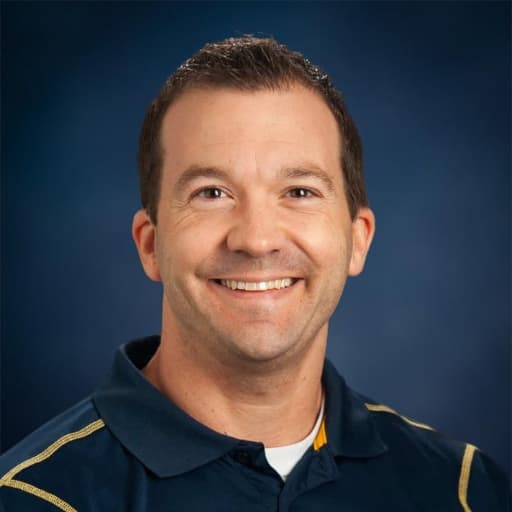
Professor and General Psychology Coordinator | East Texas A&M University
Curt Carlson earned his PhD from the University of Oklahoma, where he was trained as an experimental psychologist, focusing on recognition memory and face perception. Specifically, he focuses on applying the convergence of these two theoretical fields to eyewitness identification. He works as a professor of experimental psychology at East Texas A&M University where he is director of the CriMe (Cognitive research involving Memory) lab. He publishes regularly in the field of eyewitness memory and his work has been supported by the National Institute of Justice.