
search
Social Security Benefits and the Role of an Attorney: A Comprehensive Guide to Maximizing Your Claims

This course is tailored to attorneys, aiming to provide them with an in-depth understanding of the complexities of the Social Security system. The course will explore the challenges faced by individuals navigating the system, particularly in the context of recent challenges like COVID-19. It will cover various levels of complexity, from applying for retirement benefits to applying for SSDI or SSI benefits, as well as applying as a widow, or for disabled adult or child benefits.
Attorneys will also gain insight into the implications of an aging population on the Social Security system and the challenges faced by Western countries due to a declining birth rate. The course will examine the implications for the structure and sustainability of the social safety net, future economic output, future labor market trends, and the burden on taxpayers. Participants will learn about demographic trends leading to a significant number of semi-retired, retired, and elderly individuals with varying levels of financial independence and support needs.
The course will also explore creative solutions that need to be implemented by Congress to address the financial challenges of the Social Security system. The importance of political will behind a change to address these challenges will be discussed, and the risks of relying solely on taxing the rich will be highlighted. The course will emphasize that immediate solutions need to be explored to ensure the system’s sustainability. The importance of infrastructure and people in implementing Social Security policies will also be covered, as well as projections indicating an increase in the civilian non-institutionalized population aged 65 or older.
Social Security reports indicate that over 67 million Americans per month will receive some sort of Social Security benefit, which will equal roughly $1 trillion in benefits for the year. Additionally, the course will delve into the intricacies of Social Security benefits, such as retirement benefits, early retirement benefits, benefits for qualified widows, disability benefits, and benefits for children of disabled workers. Participants will learn about Supplemental Security Income (SSI), the Cost-of-Living Adjustment (COLA), and the intricacies of disability benefits, including the reasons for denial and the amount needed for a work credit.
By the end of this course, attorneys will have a solid understanding of the complexities of the Social Security system, the challenges faced by an aging population, the need for creative solutions, and the importance of infrastructure and people in implementing Social Security policies. They will also understand the various types of Social Security benefits and the importance of social safety nets for a sustainable and equitable future, enabling them to better serve their clients.
Some of the topics discussed include:
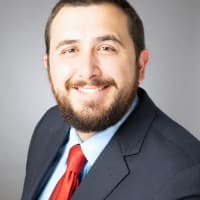
Attorney | Nash Disability Law
Spelios Bacoyanis has been licensed to practice law since 2012 and has practiced exclusively in the area of Social Security Disability law since 2017. He has represented clients at all levels of Social Security from initial claims up through the federal district court. Spelios was the Chair of the Chicago Bar Association Social Security Law Committee from 2020-2021. As Chair, he drafted and advocated for Public Act 102-0183, which expanded the definition of medical providers in Illinois and provided that individuals seeking SSDI,SSI, Aid to the Aged Blind and Disabled, and Federal Veterans’ benefits could obtain their medical records in Illinois for no charge. Spelios is currently a member of the Federal Bar Association Social Security Law Section’s board of directors, and he has given numerous talks on Social Security, ranging from continuing legal education seminars to community discussions with organizations like the National Alliance for Mental Illness (NAMI). Spelios received his undergraduate degree from Purdue University and received his J.D. and L.L.M.degrees from The John Marshall Law School (now the UIC School of Law), where he was treasurer of the Student Bar Association. While at John Marshall, he was a senior clinical intern at the Fair Housing Legal Clinic, working closely with disabled individuals in housing discrimination cases.