LF logo
by learnformula
search
LearnFormula BusinessLog in
search
Courses/Law/Bankruptcy Law

Riding the Next Wave of Chapter 11 Reorganization Filings

Master advanced restructuring strategies to navigate corporate distress, protect assets, and maximize value for your clients during the anticipated surge in commercial bankruptcies.
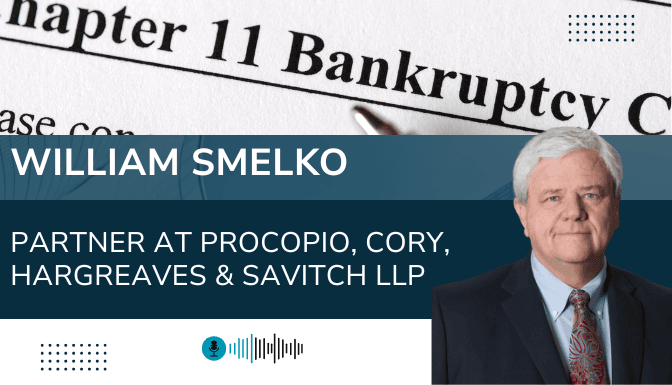
Created byWilliam Smelko
BeginnerUpdated Jun 30, 2026
Riding the Next Wave of Chapter 11 Reorganization Filings

What You'll Learn

check_circleUnderstand the structure of the U.S. bankruptcy system and the key distinctions between major bankruptcy chapters
check_circleExplain the legal and practical significance of core bankruptcy mechanisms such as the automatic stay and preference actions
check_circleAssess how bankruptcy impacts client risk exposure across multiple areas of legal practice
check_circleApply practical strategies for advising clients and managing risk in insolvency and distressed financial situations

About This Course

Chapter 11 bankruptcy filings are increasing as businesses face sustained economic pressure from inflation, high interest rates, supply chain disruption, and rising operational costs. In this environment, bankruptcy is no longer a niche legal specialty—it has become a critical framework that informs decision-making across corporate law, real estate, litigation, and commercial advisory practice.

This practical webinar provides a clear and structured introduction to the U.S. bankruptcy system, with a focus on Chapter 11 reorganization and its strategic implications for legal practitioners. Led by bankruptcy attorney William A. Smelko, the session explores the constitutional and statutory foundations of bankruptcy law, key procedural mechanisms, and the practical realities of advising clients in financial distress. Participants will gain actionable insight into risk mitigation, debtor-creditor dynamics, and the legal tools available to navigate complex insolvency scenarios effectively.

Key Topics Discussed:
  • Economic drivers behind rising Chapter 11 bankruptcy filings
  • Bankruptcy as a cross-disciplinary issue in modern legal practice
  • Overview of the U.S. Bankruptcy Code (Title 11)
  • Constitutional foundations of the U.S. bankruptcy system
  • Article I vs Article III court jurisdiction in bankruptcy matters
  • Strategic differences between Chapter 7, Chapter 11, Chapter 13, and Chapter 15
  • Small Business Chapter 11 procedures and streamlined processes
  • The automatic stay and consequences of violations
  • Preference payments under 11 U.S.C. §547
  • Executory contracts and Section 365 implications
  • Operational challenges in post-filing business management
  • Risk management in debtor-creditor relationships
  • Fraud prevention and asset protection considerations
  • Best practices for client counselling in financially distressed contexts
  • Proactive accounts receivable and credit risk strategies
  • Practical application of bankruptcy concepts across legal practice areas

Your Instructor

William Smelko
William Smelko

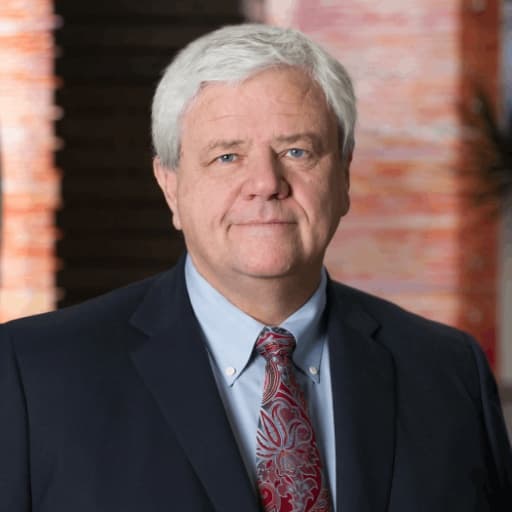
Partner | Procopio, Cory, Hargreaves & Savitch LLP

menu_book4 courses
star1 reviews

Bill focuses on business bankruptcy, restructuring and corporate governance disputes. He advises banks, credit unions and other financial institutions on a variety of bankruptcy related matters, including plan confirmation objections, asset disposition and use motions, stay relief litigation, lease disputes and the prosecution and defense of discharge objections and nondischargeability complaints. Bill litigates all aspects of bankruptcy matters from both the creditor’s and debtor’s perspective. He is an experienced federal and state court litigator with extensive experience in defending and prosecuting writs, due process violation claims and political challenges based upon both statutory and constitutional rights claims for relief.

Credit Information

What Students Are Saying

0.0
Student's Choice
0 reviews

Frequently Asked Questions

We are a registered provider with 327+ associations and regulatory bodies worldwide. We operate across 29 global markets including Canada, the US, Australia, and the UK. Every course page clearly displays its specific accreditations. Upon completion, you receive a professional certificate that can be validated online. Our certificates include all necessary accreditation details, credit hours, and completion dates, and are formatted specifically to meet the submission requirements of most global regulatory bodies.

You May Also Like

Law: Technology Training

The Lawyer’s Guide to ChatGPT, Claude, Gemini & Copilot

star5.0(13)
1 CPD hr
Law: Technology Training

Microsoft Copilot for Lawyers (2026 Edition)

star4.9(17)
1 CPD hr
Technology, Privacy & Intellectual Property: Technology & Blockchain

Prompt or Perish: The 2026 War Room Guide to Legal AI

star5.0(3)
3 CPD hrs