
search
Protect your client's appellate rights at the trial level by mastering the critical rules and strategies for preserving the record and avoiding costly issue waivers.
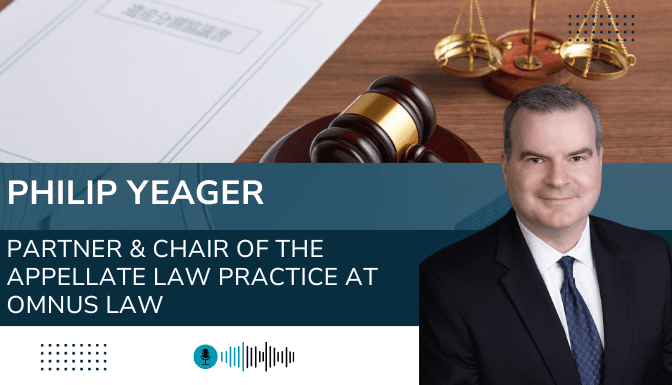
A successful appeal is built at the trial level, where critical issues must be properly preserved and the record carefully developed. This practical CLE program guides litigators through the essentials of record and issue preservation, helping them avoid waiver pitfalls and strengthen their appellate position. From understanding what constitutes the record to leveraging key post-trial motions, participants will gain the tools needed to protect their client’s rights and maximize the chances of success on appeal.

Partner & Chair of the Appellate Law Practice | Omnus Law
Philip Yeager is a Partner at Omnus Law and Chair of the firm’s Appellate Law Practice. With 16 years of experience, Philip represents clients and collaborates with trial counsel with high-stakes civil matters, with a focus on appellate strategy, issue preservation, persuasive briefing, and oral arguments. He has managed hundreds of civil litigation cases across the country, ranging from debt collection disputes to complex nine-figure business cases as well as trust and estate litigation involving significant financial exposure and sensitive factual dynamics. Philip built his practice on a foundation of trial-level litigation. He has extensive experience in trial preparation and execution, including law and motion practice, summary judgment strategy, discovery, and evidentiary issues that shape the record for appeal. That practical trial background informs his appellate work and allows him to partner effectively with trial teams on the decisions that matter early, especially on record preservation, issue framing, and positioning a case for the strongest possible outcome on review. Over the last several years, Philip has expanded his appellate practice significantly after securing multiple victories in published decisions from the California Court of Appeal, including decisions on the intestate inheritance rights of illegitimate children and the disqualification of potential estate administrators for mismanagement of estate assets, cited in Witkin, American Jurisprudence, California Jurisprudence, American Law Reports, California Civil Practice, and the Rutter Group’s California Practice Guide: Probate. In addition to his client work, Philip serves his legal community as a Fee Arbitrator with the Santa Clara County Bar Association, and he is the Chair of its Fee Arbitration Committee. In that role, he has arbitrated attorney-client fee disputes, including matters involving multi-million-dollar amounts, giving him a distinctive perspective on client expectations, communication, and professional responsibility in high-stakes attorney-client relationships.