by learnformula
search
For Business
Team license & compliance management
For Higher Education
Academic partnerships
For Government Agencies
Government training solutions
For Instructors & Course Creators
Teach on our marketplace
Become a Sponsor
Reach 9M+ professionals
Log inStart 7-Day Free TrialStart Free TrialStart Free Trial
search
Courses/Personal, Property & Family Law/Personal Injury & Tort Law

Proving Medical Negligence: What Really Matters in Court

Master the critical evidence, standard of care arguments, and expert witness strategies top attorneys use to build winning malpractice cases.
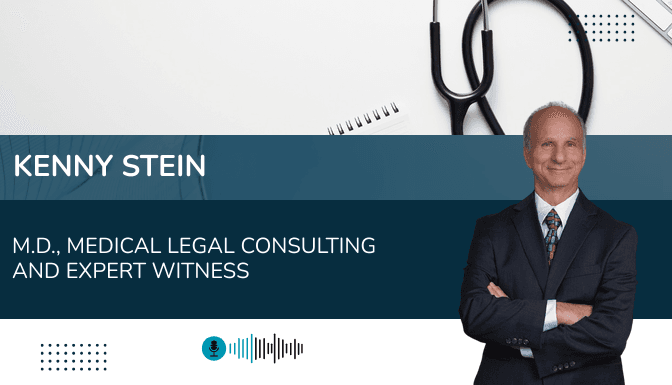
Created byKenny Stein
BeginnerUpdated Oct 16, 2026
Proving Medical Negligence: What Really Matters in Court

What You'll Learn

check_circleAssess the standard of care in medical negligence claims
check_circleAnalyse causation and its relationship to liability and damages
check_circleEvaluate medical records and expert evidence
check_circleDistinguish adverse outcomes from actionable negligence

About This Course

Medical malpractice claims often hinge on two tightly linked questions: whether the standard of care was properly met, and whether any departure from that standard actually caused the patient’s harm. While the legal test is well established, its application is rarely straightforward, as outcomes depend heavily on clinical context, documentation quality, expert interpretation, and the complexities of medical decision-making.

This session examines the practical realities of proving and defending medical negligence claims, focusing on how standard of care and causation are evaluated in litigation. It explores how medical records and expert evidence are assessed, how courts distinguish between adverse outcomes and actionable negligence, and how attorneys can more effectively evaluate claim strength and liability risk.

Key Topics Discussed:

  • Legal definition and application of standard of care in medical negligence
  • How clinical context influences negligence assessments
  • Variations in standard of care across jurisdictions and specialties
  • Relationship between breach of duty, causation, and damages
  • Causation analysis in complex medical scenarios
  • Role and limits of expert medical testimony
  • Evaluating medical records in litigation
  • Distinguishing adverse outcomes from actionable negligence
  • Assessing liability risk and case viability
  • Plaintiff and defence perspectives in malpractice claims
  • Common evidentiary challenges in medical negligence cases
  • Practical approaches to claim assessment and review

Your Instructor

Kenny Stein
Kenny Stein

M.D., Medical Legal Consulting and Expert Witness

menu_book1 courses

Dr. Stein provides medical-legal expert services and specializes in delivering credible, clear, and understandable testimony that helps Judges and Juries understand the science, medicine, and facts relevant to negligence, causation, and damages. With extensive experience in medical malpractice, negligence, personal injury, and wrongful death cases, Dr. Stein has reviewed more than 500 cases involving both plaintiffs and defendants across more than 40 U.S. states and territories. Dr. Stein has also provided deposition and trial testimony more than 200 times and offers medical opinions concerning causation. Dr. Stein is committed to providing objective and unbiased opinions based on the facts and medical evidence of each case. Rather than guaranteeing a favorable outcome, Dr. Stein provides an honest, independent assessment designed to help legal professionals, Judges, and Juries better understand the medical issues involved.

Credit Information

What Students Are Saying

0.0
Student's Choice
0 reviews

Frequently Asked Questions

We are a registered provider with 327+ associations and regulatory bodies worldwide. We operate across 29 global markets including Canada, the US, Australia, and the UK. Every course page clearly displays its specific accreditations. Upon completion, you receive a professional certificate that can be validated online. Our certificates include all necessary accreditation details, credit hours, and completion dates, and are formatted specifically to meet the submission requirements of most global regulatory bodies.

You May Also Like

Law: Technology Training

Microsoft Copilot for Lawyers (2026 Edition)

star5.0(24)
1 CPD hr
Law: Legal Writing (Professionalism)

ChatGPT & Generative AI in Legal Writing [2026]

star5.0(11)
1 CPD hr
Law: Legal Ethics

AI, Ethics & Professional Judgment in Legal Content

star5.0(21)
1.5 CPD hrs