
search
Advocating for accountability, transparency, and diversity in judicial clerkships
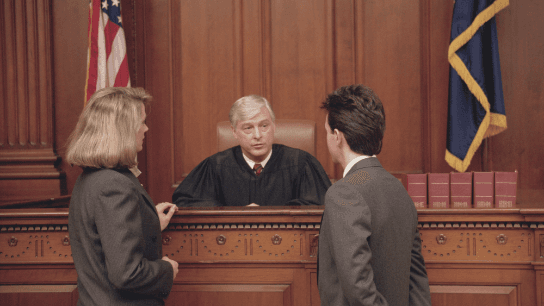
Law schools advise students to “do their research” about judges before applying for clerkships. But what research are students going to do, when so little information about judges as managers and clerkship experiences is accessible to them?
It is particularly important for law clerks – new attorneys who spend a year or two working closely with and learning from judges – to identify judges who will be supportive bosses, considering the outsized influence that a judicial clerkship, and a relationship with a judge, have on attorneys’ future career success.
Furthermore, the federal judiciary is exempt from Title VII of the Civil Rights Act of 1964, and workplace protections and judicial accountability mechanisms are inadequate in both federal and state courts, meaning law clerks have limited recourse when they are mistreated by the most powerful members of the profession – judges.
This course explains the characteristics of judicial clerkships that make these workplaces particularly conducive to mistreatment in the worst circumstances. It also explores necessary legislative and policy solutions to increase transparency and accountability in the judiciary.
This course discusses how the lack of diversity in the clerkship pipeline has larger implications for fairness in judicial decision-making and the future face of the legal profession. It also highlights how various stakeholder groups, including law schools, legal employers, bar associations, and the judiciary, can improve their messaging, programming, and attitudes toward judicial clerkships to help ensure positive clerkship experiences.
The course concludes with a call to action, underscoring that every attorney, whether you clerked or not, can be part of the solution to increase diversity, equity, and inclusion in the legal profession, beginning with judicial clerkships.

President and Founder
Aliza Shatzman is the President and Founder of The Legal Accountability Project, a nonprofit aimed at ensuring that law clerks have positive clerkship experiences, while extending support and resources to those who do not. Aliza earned her BA from Williams College and her JD from Washington University School of Law, where she served as an Associate Editor for the Journal of Law & Policy. After law school, Aliza clerked in D.C. Superior Court during the 2019-2020 term. In March 2022, Aliza submitted written testimony for a House Judiciary Subcommittee hearing about the lack of workplace protections in the federal judiciary, detailing her personal experience with gender discrimination, harassment, and retaliation by a former D.C. judge. The intent of Aliza’s written testimony was to advocate for the Judiciary Accountability Act, legislation that would extend Title VII protections to judiciary employees, including law clerks. Aliza now writes and speaks regularly about judicial accountability, clerkships, and diversity in the courts. She has been published in numerous forums, including the Columbia Law Review, Harvard Journal on Legislation, UCLA Journal of Gender & Law, Yale Law & Policy Review, NYU Journal of Legislation & Public Policy, Administrative Law Review, Above the Law, Law360, Slate, Ms. Magazine, and Balls & Strikes