
search
Unmasking invisible brain injuries through advanced neuroimaging and clinical evidence to secure justice for your clients.
In modern personal injury litigation, the label "mild" is a medical misnomer that often masks a devastating chronic disease. While many concussions resolve, a significant subset of victims face permanent cognitive, behavioral, and autonomic dysfunction that conventional imaging fails to detect.
Join us for this 2026 advanced session where we bridge the gap between biomechanical science and courtroom success. We will move beyond the daze and confusion of initial diagnosis to uncover the long-term risks of epilepsy, dementia, and chronic depression. Learn how to leverage cutting-edge tools like Diffusion Tensor Imaging (DTI) and metabolic PET scans to provide juries with the "visible proof" they demand. Whether you are handling a sports-related concussion or a complex motor vehicle accident, this webinar provides the neuro-evidence roadmap required to achieve maximum recovery for life-altering injuries.

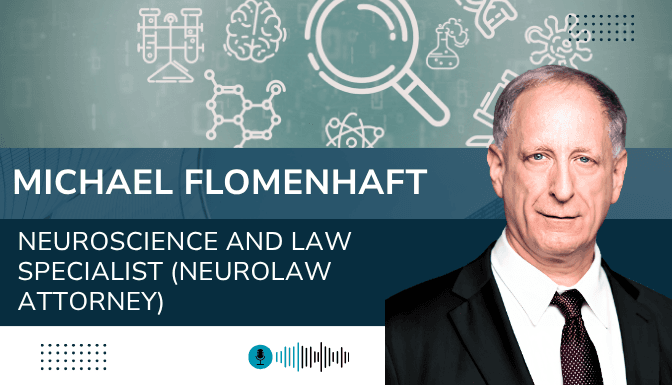
Principal | The Flomenhaft Law Firm
Michael Flomenhaft is a graduate of Boston University School of Law and the Trial Lawyers College. He also received his master’s degree in British and American Literature from Hofstra University. The vast majority of his practice involves trying cases for victims of traumatic brain injury (TBI) and severe chronic pain. He has tried traumatic brain injury and chronic pain cases throughout the United States. His chronic pain cases frequently involve Complex Regional Pain Syndrome (CRPS)/Reflex Sympathetic Dystrophy (RSD) or other traumatically caused changes in the nervous system producing agonizing, unrelenting pain and potentially adverse brain consequences. He is renowned for his vast knowledge of neurosciences encompassing neuroimaging, neuropsychology, neurobiology and the neuroanatomy of brain trauma and chronic pain and trial skills related to these subjects. He is also distinguished for his knowledge in spinal neurology, the psychologically fragmenting consequences of trauma including Post Traumatic Stress Syndrome (PTSD), and the evidentiary challenges entailed in the courtroom presentation of these claims. Mr. Flomenhaft has won landmark evidentiary rulings from New York state courts establishing the scientific validity of Diffusion Tensor Imaging (DTI), which shows white matter/axonal brain damage not infrequently seen in victims of motor vehicle whiplash and construction accidents, Quantitative Electroencephalography (qEEG), which can profile deterioration in the brain’s electrical activity following traumatic brain injury, and Functional Magnetic Resonance Imaging (fMRI), showing brain changes demonstrating severe pain. Additionally, he is the first New York lawyer to put into evidence: diffusion tensor imaging, quantitative MRI analysis showing brain atrophy, electrical evidence of sleep disturbance as a consequence of traumatic brain injury, and fMRI to objectively demonstrate severe chronic pain by showing associated brain activation.