LF logo
by learnformula
search
LearnFormula BusinessLog in
search
Courses/Law/Social Security Law

Medical Evidence and SSDI Adjudication Strategy

Transform complex medical records into undeniable proof and deploy proven adjudication strategies to successfully navigate the Social Security Disability claims process.
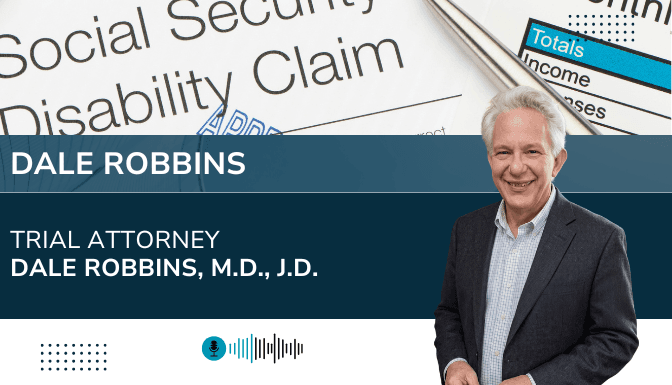
Created byDale Robbins
BeginnerUpdated Jun 1, 2026
Medical Evidence and SSDI Adjudication Strategy

What You'll Learn

check_circleAnalyze the five-step sequential evaluation process in disability adjudication
check_circleAssess medical evidence under Social Security regulatory standards
check_circleEvaluate residual functional capacity findings and vocational expert testimony
check_circleDevelop strategies for administrative hearings and Appeals Council review
check_circleStructure federal district court appeals under substantial evidence review

About This Course

Success in Social Security Disability Insurance (SSDI) claims depends on far more than diagnosis alone. It requires a precise understanding of how medical evidence is evaluated within the Social Security Administration’s structured legal framework, and how functional limitations are translated into vocational outcomes. Small gaps between clinical records and legal standards often determine whether a claim is approved or denied.

This session provides a practical, step-by-step breakdown of the SSDI adjudication process, focusing on how legal practitioners can build stronger cases by aligning medical evidence with regulatory requirements. It bridges the gap between healthcare documentation and federal disability standards, with particular attention to functional capacity assessment, vocational analysis, and hearing-level strategy before administrative law judges.

Key Topics Discussed:

  • SSA five-step sequential evaluation process
  • Substantial Gainful Activity (SGA) and severity thresholds
  • Step 3 listings and medical equivalence analysis
  • Residual Functional Capacity (RFC) assessment and limitations analysis
  • Exertional vs non-exertional limitations (e.g. chronic pain, fatigue)
  • Past relevant work and work history classification
  • National economy standard and vocational evidence framework
  • Medical-Vocational Guidelines (“the grids”) application
  • Age, education, and transferable skills analysis
  • Vocational expert testimony and cross-examination strategy
  • Administrative hearing process and adjudicative considerations
  • Aligning medical records with legal disability criteria

Your Instructor

Dale Robbins
Dale Robbins

Trial Attorney at Dale Robbins, M.D., J.D.

menu_book1 courses

Dr. Dale Robbins is uniquely qualified as a trained physician and attorney with experience as a former attorney for the Social Security Administration and private practice representing clients throughout Washington, Oregon, Idaho, Montana and Alaska. Dr. Robbins focuses exclusively on medical legal issues, including social security disability, personal injury and medical malpractice cases. Others may offer similar services with non-attorney representatives where you are just a number, but if you want an experienced lawyer who specializes in disability and medical issues with a personal touch then call Dr. Robbins. Significant legal experience as law clerk to both the U.S. District Court and Montana District Court, former staff attorney and senior attorney with the Social Security Administration, U.S. Department of Health and Human Services, and current boutique law practice specializing in social security disability, medical/legal issues, consulting and seminars. Medical Doctorate awarded in 2006, with highest honors in all clinical rotations served at Atlanta Medical Center, Fulton Medical Center and Emory University Hospital.

Credit Information

What Students Are Saying

0.0
Student's Choice
0 reviews

Frequently Asked Questions

We are a registered provider with 327+ associations and regulatory bodies worldwide. We operate across 29 global markets including Canada, the US, Australia, and the UK. Every course page clearly displays its specific accreditations. Upon completion, you receive a professional certificate that can be validated online. Our certificates include all necessary accreditation details, credit hours, and completion dates, and are formatted specifically to meet the submission requirements of most global regulatory bodies.

You May Also Like

Law: Technology Training

The Lawyer’s Guide to ChatGPT, Claude, Gemini & Copilot

star5.0(13)
1 CPD hr
Law: Technology Training

Microsoft Copilot for Lawyers (2026 Edition)

star4.9(17)
1 CPD hr
Technology, Privacy & Intellectual Property: Technology & Blockchain

Prompt or Perish: The 2026 War Room Guide to Legal AI

star5.0(3)
3 CPD hrs