
search
Navigate complex coverage claims by mastering the rules of policy construction, decoding ambiguous language, and developing winning strategies for high-stakes insurance disputes.
Insurance coverage disputes turn on language—but not language alone. Questions about how courts interpret policy terms, when they consider evidence beyond the four corners of the policy, and how they treat financial structures governing risk allocation between insurers and insureds arise in nearly every significant coverage matter. Attorneys handling coverage disputes regularly encounter recurring interpretive issues across multiple policy forms and lines of coverage, making a solid understanding of the governing doctrinal framework essential to effective analysis.
Policy interpretation is not a neutral exercise. Courts apply rules such as construing ambiguity against the insurer, applying the insured’s reasonable expectations, and interpreting exclusions narrowly—approaches that can favour different parties depending on the jurisdiction and issue involved. The admissibility of extrinsic evidence, including underwriting materials, broker communications, and parol evidence, adds further complexity because courts differ significantly on when such materials may be used to resolve ambiguity. In addition, the treatment of self-insured retentions and deductibles—while structurally similar but legally distinct—continues to generate inconsistent case law.
This session examines three of the most common areas of dispute in commercial insurance coverage practice: the interpretation of policy language, the use of extrinsic evidence to resolve ambiguity, and the legal treatment of self-insured retentions and deductibles. The discussion draws on practical experience across commercial general liability, professional liability, D&O, cyber, and first-party property coverage matters.
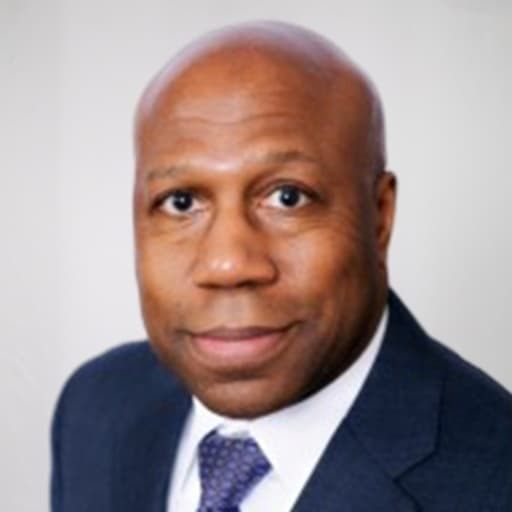
In-House Counsel | Axon Underwriting
Verne A. Pedro joined Axon Underwriting in August 2023 as In-House Counsel. Verne has practiced law for over 20 years focusing on a diverse insurance coverage counseling and litigation practice. Verne’s practice has encompassed a wide range of complex coverage matters, including commercial general liability, directors and officers, errors and omissions, cyber and data loss, professional liability, employment practices, and first-party property. Throughout his career, he has litigated construction accidents, transportation, subrogation, products liability, premises liability, copyright, and other civil litigation matters. Prior to joining Axon, Verne was the Managing Partner in the New Jersey office of a well-established defense firm. Verne has a B.A. in English from Rutgers University and earned his J.D. from Seton Hall University School of Law in 2001. During law school he handled significant toxic tort claims for AIG. He is admitted to practice in all state and federal courts in New York, New Jersey, and Pennsylvania.