
search
Safely integrate artificial intelligence into your legal practice without compromising client confidentiality, violating ethical duties, or risking professional sanctions.
Generative AI is no longer a novelty in legal practice—it’s a force multiplier that can sharpen your work or expose you to serious ethical risk. This webinar cuts through the hype to define what actually counts as AI, distinguish true reasoning models from dressed-up automation, and unpack the growing role of AI agents in day-to-day legal workflows.
Through real-world examples and emerging regulatory guidance, you’ll explore how generative AI amplifies both capability and liability—affecting competence, supervision, confidentiality, and professional judgment. We’ll examine where these tools fail, why lawyers are already being sanctioned, and how evolving expectations from the ABA and courts are reshaping ethical practice.
The session concludes with practical, defensible best practices to help you stay firmly in control of AI tools—so you can harness their benefits without compromising your professional obligations.
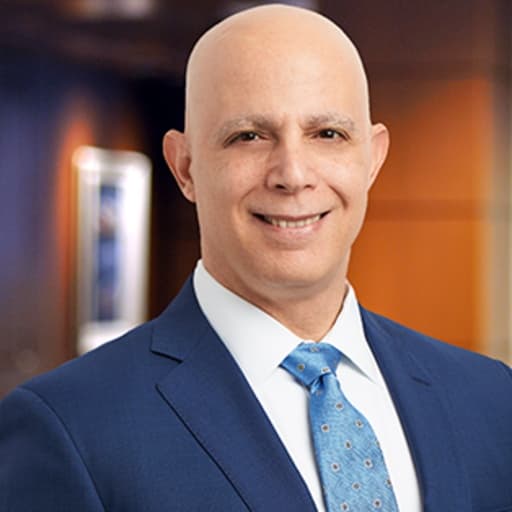
Artificial Intelligence, Cybersecurity, and IP Attorney | Maslon LLP
Eran Kahana is an AI, cybersecurity, and intellectual property lawyer as well as a Fellow at Stanford Law School, a member of the Advisory Board of Stanford Law School’s Stanford Artificial Intelligence & Law Society, an adjunct professor of law at the University of Minnesota Law School, and a member of the Scientific Council of the Israeli Association for Ethics in Artificial Intelligence. In his practice, Eran counsels clients on a wide variety of matters related to AI, cybersecurity, privacy, technology law, trademarks, patents, and copyright issues. Eran also serves in a variety of cybersecurity thought leadership roles and works closely with the FBI, Department of Justice, Secret Service, and colleagues from the private and academic sectors to set, promote, and sustain cybersecurity best practices. At Stanford Law School, Eran writes and lectures on the intersect between law and AI and is a frequent speaker at Stanford's annual Digital Economy Best Practices Conference. He has been cited in Oxford University Professor Marcus Du Satoy’s book The Creativity Code: Art and Innovation in the Age of AI and has been interviewed on AI, cybersecurity, privacy, and technology law by Bloomberg Law, BBC, Canadian Broadcasting Corporation (CBC) radio, KABC radio, Minnesota Public Radio, Twin Cities Business magazine, Star Tribune, Minnesota Lawyer, TheStreet.com, Quartz magazine, and Stanford University Radio, KZSU FM.