
search
Decoding the CFAA: Navigating Computer Crime Legislation in the Digital Age
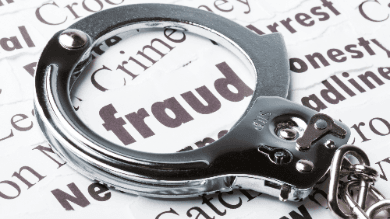
In the realm of cybersecurity, reality starkly contrasts with the glamorous portrayals seen in movies and TV shows. The quiet, skillful hacker penetrating government databases with a few keystrokes might make for compelling drama, but the consequences of such actions are far-reaching and detrimental in the real world. Reality is not so forgiving. Understanding the gravity of these situations is imperative for attorneys, especially given the prominence of hacking in our digital age. Hacking continues to become even more widespread, especially with the involvement of international actors. There is no shortage of news coverage highlighting breaches of small law firms, major corporations, trusted banks, and even government agencies globally. At the heart of this understanding lies the Computer Fraud and Abuse Act (CFAA), a pivotal piece of legislation that has become the bedrock of anti-hacking laws in the United States. This webinar serves as a vital resource for legal professionals, unraveling the complexities of the CFAA. Hacking is here to stay, and unlike movies, real-world hacking can have damaging consequences to the reputations of companies, the personal information of citizens, and the safety of the country’s secrets.
In this webinar, our expert panelists will begin by introducing the Computer Fraud and Abuse Act and tracking its evolution over the years. They will provide definitions for many of the terms necessary for understanding the details of how the CFAA is applied. The panelists will then go on to outline the seven categories of prohibited conduct and the behaviors each of them entails. Finally, the experts will discuss the damages and penalties of violating the CFAA and review a recent case involving the CFAA.
Our Mission is to bridge the knowledge gap between law and technology professionals by educating attorneys on technology to attorneys and technology executives on its laws and regulations. Legal Cyber Academy provides a comprehensive tool and evolving knowledge base through exclusive insights from world class cybersecurity, privacy, web 3.0, forensic, and e-discovery legal and technical practitioners. Earn CLE, CPE, and CE credits. (Refunds are available if you do not receive credit) At Legal Cyber Academy We recognize that technology, the cybersecurity threats it faces, and relevant laws and regulation are rapidly evolving, presenting unique challenges and opportunities. Our platform is dedicated to empowering legal professionals with the skills and understanding necessary to navigate the complex landscape of technology in their field, enabling them to effectively advise clients, draft contracts, and navigate legal implications in a technology-driven world. Simultaneously, we strive to equip technology professionals with the legal knowledge they need to make informed decisions, ensure compliance with regulations, and limit liability. By fostering a deep understanding of legal frameworks, we hope to support technology professionals in creating innovative, compliant, and socially conscious technological advancements. Join us in our mission to reshape the way legal professionals and technology experts understand and interact with each other in a rapidly changing technical and legal landscape. Together, they will mitigate risk better, ensure compliance, and actively shape the future of technology and its accompanying laws.

LAW & FORENSICS LLC – FOUNDER; JAMS – NEUTRAL; HARVARD – ADJUNCT;
Danie Garrie, Esq., is the Co-Founder of Law & Forensics LLC, where he heads the Computer Forensics and digital discovery Cybersecurity teams. Daniel has been a dominant voice in the computer forensics and cybersecurity space for the past 20 years, as an attorney and technologist. He is an adjunct professor at Harvard for Computer Forensics, and prior to Law & Forensics, he successfully built and sold several technology start-up companies. Since co-founding Law & Forensics LLC in 2008, Daniel has built it into one of the leading boutique firms specializing in cybersecurity and forensic engineering. He is a mediator, arbitrator, and e-discovery special master for JAMS and is a partner and head of Cybersecurity practice at Zeichner, Ellman & Krause LLP. Daniel earned both a Bachelor’s and a Master’s degree in computer science from Brandeis University, as well as a J.D. from Rutgers Law School. Daniel has led cyber and forensic teams in some of the most visible and sensitive incidents in the United States. He and his team have worked globally for two of the top five banks and dozens of the largest private and public companies in the world. In addition, Daniel has been awarded several patents for advanced cybersecurity and forensic platforms he built with his team, including TableTop.AI, CustodyTrack.IO, and Forensic Scan. Daniel is also well-published in the cybersecurity space and has authored more than 200 articles and books. His work is cited by Black’s Law Dictionary 10th Ed. defining the terms 'software', 'internet', and 'algorithm'. Lastly, he has been recognized by several United States Supreme Court Justices for his legal scholarship and is a trusted source and thought leader for cybersecurity articles and opinions, cited over 500 times to date.

Partner | Reed Smith
Catherine is a partner in the firm’s Tech & Data Group. She is a proven c-suite executive with front-line data breach and incident response, cybersecurity, data privacy, information security, data governance, intellectual property and critical business information, investigations and regulatory matters. Catherine is a business-driven, resourceful attorney with a strong science, technology, and financial services background and more than 15 years of experience as a leader and trusted advisor to senior management and key stakeholders. She is a collaborative partner who builds close relationships and trust across business units and holds demonstrated leadership experience across a complex global environment.

Attorney |Holmes, Athey, Cowan & Mermelstein
Mark Mermelstein is a former big firm trial lawyer with more than 20 first-chair trials. He splits his time between white collar criminal defense and asset recovery for victims of corporate crimes. On the criminal defense side, he represents corporations and individuals facing allegations of securities fraud, healthcare fraud, antitrust violations, environmental crimes, money laundering, violations of the Foreign Corrupt Practices Act (FCPA) and the False Claims Act, mail/wire fraud, and embezzlement. Representing corporate crime victims, he focuses on cybercrime including data breach (including customer regulatory notice obligations), IP/trade secrets theft, hacking and counterfeiting.