Why the decline of professional decorum is destroying the rule of law and how to restore it.
Thomas G. Moukawsher is a former complex litigation judge with 40 years' experience in courts across the country. He tackles the question of civility in the legal profession and shares his personal experience and views on the decline of civility. He then turns to the problem with discussions on civility in court pleadings, motion practice, briefing, and trial work. The goal is to allow you to see the problem and take away specific proposals on reforms and a review of a recently proposed rule change about civility.
Issues discussed include:
MCLE activities for civility in the legal profession provide education and practical instruction in promoting civility and eliminating bias-driven incivility in the legal profession, thereby increasing each participant's professional competency as an attorney. This includes, but is not limited to training that highlights:
Problem Areas for Incivility:
• Discovery disputes
• Abusive and uncivil communication outside court
• Lack of professional courtesy resulting in acrimonious and unnecessary motion practice
• Conducting meaningful meet and confers as required by law
• Counsel working together to prepare trial documents (joint submissions)
• Improper use of sanctions requests to intimidate and bully.
Proposed New Rule of Professional Conduct 8.4.2 – Prohibited Incivility:
(a) In representing a client, a lawyer shall not engage in incivility in the practice of law or related professional activities.
(b) For purposes of this rule, "incivility" means significantly unprofessional conduct that is abusive or harassing and shall be determined on the basis of all the facts and circumstances surrounding the conduct.

The Center for Continuing Education, (CCE), is a State Bar of California MCLE Approved Provider. Since 1992, CCE has presented high quality MCLE programs with the nation's leading attorneys and a wide array of topics. After years of in-person traditional seminars, CCE now focuses on production with Zoom or similar technologies so as to attract highly renowned speakers from any location, always true to our motto: "The Best in Topics and Talent."
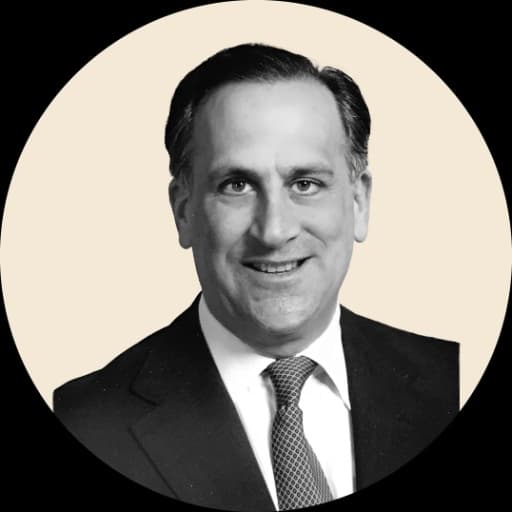
Connecticut Superior Court Judge (ret.)
Thomas Moukawsher is a retired Connecticut complex litigation judge. He is the author of the 2023 book from Brandeis University Press, The Common Flaw: Needless Complexity in the Courts and 50 Ways to Reduce It. He spent 40 years in federal courtrooms across the country and in trying hundreds of cases as a complex litigation judge in Connecticut. His decisions on the bench concerning education, opioid litigation, and the separation of powers have earned national attention. He also experienced the other branches of government before taking the bench, working in his state's governor's office and working as a state legislator, a lobbyist, and outside counsel to a congressional caucus chairman. During his years of practice, he was co-chair of the ABA Committee on Employee Benefits, a regular lecturer on fiduciary litigation, and a co-editor and author of the Employee Benefits Committee's book, Employee Benefits Law. He currently is a regular contributor to several major national journals and magazines, such as Newsweek.
