
search
What Recent Court Decisions Reveal About the Future of AI Regulation
Large language models now sit at the center of some of the most consequential legal disputes of the decade. Courts across the United States are being asked to decide whether AI training practices violate copyright law, how the fair use doctrine applies to machine learning, and whether dominant AI platforms raise antitrust and unfair competition concerns. At the same time, plaintiffs are testing contract, misappropriation, and passing-off theories in an effort to move beyond traditional copyright claims.
This timely CLE webinar provides a clear, structured overview of the latest U.S. litigation involving large language models, focusing on the most influential district court decisions issued through 2025 and early 2026. Participants will explore how courts are approaching fair use in AI training, why copyright preemption has become a key battleground, and how antitrust and related claims are emerging as alternative avenues for plaintiffs.
Designed for litigators, IP lawyers, in-house counsel, and regulatory advisers, this session equips attendees with the legal context needed to advise clients operating in an increasingly uncertain and rapidly evolving AI environment.
This comprehensive overview identifies the following key learning outcomes:

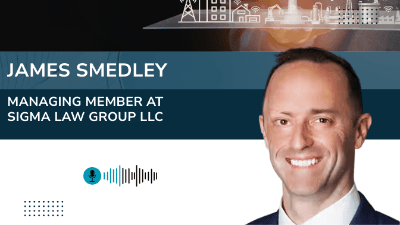
Managing Member | Sigma Law Group LLC
James Smedley is the firm's managing member. He has a wealth of industry experience in the computer software and hardware fields to bolster the legal experience developed over the years. Mr. Smedley has helped hundreds of clients in both corporate transactional and intellectual property matters. The firm's primary focus is on intellectual property matters in the technology sector, mainly involving patent prosecution. However, they also handle a whole host of other transactional corporate and intellectual property matters, including licensing and due diligence on IP and M&A transactions.