
search
Stop guessing with your data—learn the professional framework to ensure quality, compliance, and defensibility in AI.
This program explores the AI Data Stewardship Framework (AI-DSF) and how lawyers can use it to evaluate, govern, and contract for the data that powers generative AI systems. As organizations increasingly rely on AI, legal teams must understand how data quality, provenance, licensing, privacy, and security affect both compliance and liability. The session examines the framework’s three levels of controls—Basic, Foundational, and Organizational—and explains how they can be applied across vendor due diligence, contract drafting, incident response, and regulatory risk management.
Participants will learn how to assess whether an AI developer or data provider has implemented meaningful controls rather than relying on superficial assurances. The program also addresses key legal issues such as copyright, privacy, data provenance, AI supply chain obligations, and the growing importance of formalized governance in reducing enforcement and litigation risk.
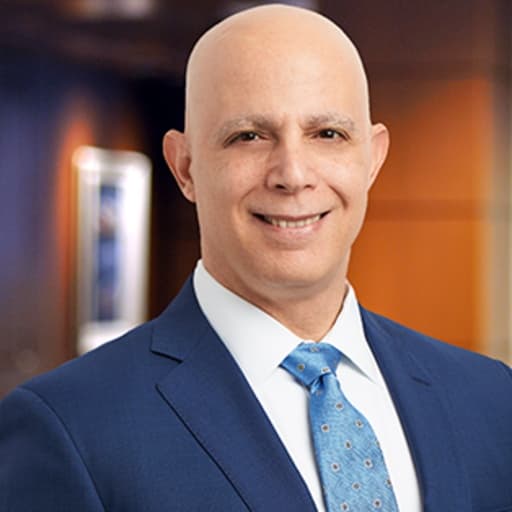
Artificial Intelligence, Cybersecurity, and IP Attorney | Maslon LLP
Eran Kahana is an AI, cybersecurity, and intellectual property lawyer as well as a Fellow at Stanford Law School, a member of the Advisory Board of Stanford Law School’s Stanford Artificial Intelligence & Law Society, an adjunct professor of law at the University of Minnesota Law School, and a member of the Scientific Council of the Israeli Association for Ethics in Artificial Intelligence. In his practice, Eran counsels clients on a wide variety of matters related to AI, cybersecurity, privacy, technology law, trademarks, patents, and copyright issues. Eran also serves in a variety of cybersecurity thought leadership roles and works closely with the FBI, Department of Justice, Secret Service, and colleagues from the private and academic sectors to set, promote, and sustain cybersecurity best practices. At Stanford Law School, Eran writes and lectures on the intersect between law and AI and is a frequent speaker at Stanford's annual Digital Economy Best Practices Conference. He has been cited in Oxford University Professor Marcus Du Satoy’s book The Creativity Code: Art and Innovation in the Age of AI and has been interviewed on AI, cybersecurity, privacy, and technology law by Bloomberg Law, BBC, Canadian Broadcasting Corporation (CBC) radio, KABC radio, Minnesota Public Radio, Twin Cities Business magazine, Star Tribune, Minnesota Lawyer, TheStreet.com, Quartz magazine, and Stanford University Radio, KZSU FM.