
search
A practical examination of representing incarcerated and formerly incarcerated women, with a focus on advocacy, conditions of confinement, and system-aware legal strategy.
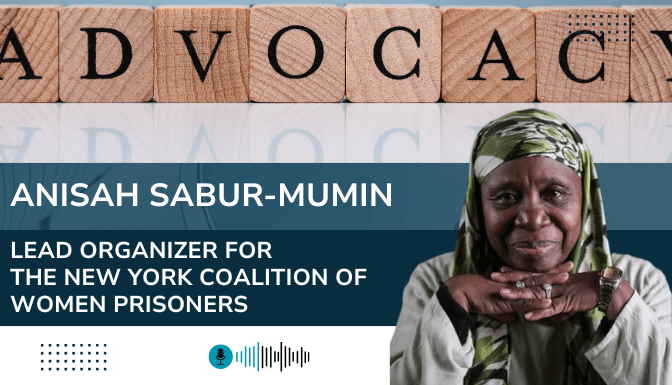
Legal representation involving incarcerated women requires a distinct understanding of the carceral system, institutional power dynamics, and the gendered realities of incarceration. Lawyers working in criminal defense, civil rights, family law, immigration, and post-conviction advocacy often encounter systemic barriers that cannot be addressed through legal doctrine alone.
This program examines how lawyers can work more effectively with incarcerated and formerly incarcerated women by understanding the realities inside prisons, the impact of isolation and disciplinary practices, and the role of advocacy beyond the courtroom. Drawing on extensive experience in prison monitoring, policy reform, and coalition-based advocacy, the session focuses on what lawyers need to know to represent clients ethically, effectively, and with credibility.
Attendees will gain practical insight into communicating with incarcerated clients, identifying conditions-of-confinement issues, working alongside organizers and advocates, and understanding how policy reform efforts intersect with individual legal representation. The emphasis is on applied knowledge that improves client outcomes and strengthens legal advocacy.
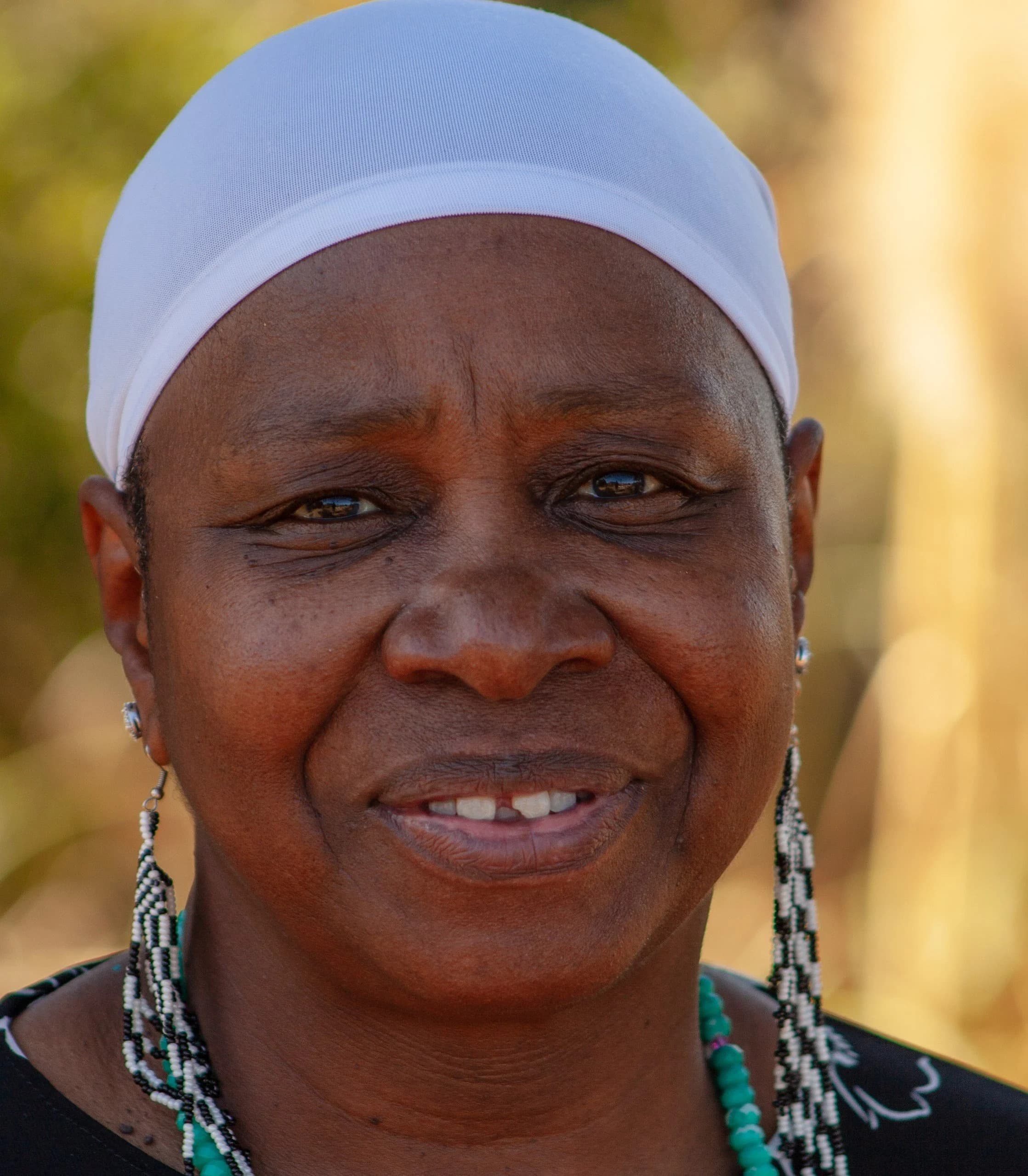
She is the lead organizer for the New York Coalition of Women Prisoners, a group whose members include incarcerated and formerly incarcerated women and allies. She also advises several foundations on the impact of incarceration and building leaders of women involved in the criminal legal system along with being a former prison monitoring team member. Anisah has also been instrumental in the fight to pass the HALT Solitary Confinement Act.