
search
Master cutting-edge 3D scanning technologies for forensic investigations and litigation
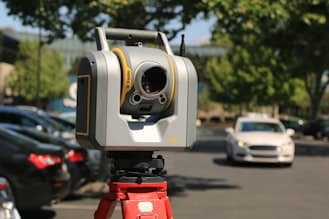
Delve into the cutting-edge world of 3D scanning technology with this comprehensive course, "Advanced Forensic Imaging: LiDAR & Photogrammetry Litigation." This course provides a detailed examination of how LiDAR (Light Detection and Ranging) and photogrammetry are revolutionizing crime scene investigation, accident reconstruction, and courtroom presentations.
Explore the capabilities of LiDAR, a powerful tool for capturing precise 3D data in diverse environments, even in low light conditions. Uncover the nuances of photogrammetry, a technique that utilizes overlapping photographs to create highly detailed 3D models.
Gain a deeper understanding of the equipment used in 3D scanning, from handheld devices to drone-mounted scanners. Discover how to select the appropriate equipment for various forensic scenarios, considering scene size, environmental conditions, and budget constraints. Learn best practices for maintaining, operating, and troubleshooting 3D scanners to ensure optimal performance and data integrity.
Explore the intricacies of 3D scan data processing, understanding the workflows and software used to create compelling visualizations and analyze intricate details. Learn how to extract measurements, identify patterns, and uncover hidden information within 3D models.
This course delves into the legal implications of 3D scanning technology, examining its admissibility in court and the challenges associated with presenting this data effectively. Learn how to authenticate and interpret 3D scans, ensuring their credibility and relevance in legal proceedings.
This course equips you with the knowledge and skills necessary to effectively utilize LiDAR and photogrammetry in forensic investigations, accident reconstructions, and courtroom presentations. You'll learn how to leverage this technology to capture, process, analyze, and present compelling 3D evidence in a manner that meets the highest standards of forensic scrutiny.

Empowering Legal Professionals, One Hour at a Time
CLE for Me provides innovative, accessible, and engaging Continuing Legal Education designed to meet the needs of today’s busy legal professionals. With a focus on practical insights, emerging trends, and compliance requirements, we deliver courses that are as impactful as they are convenient. Our expert-led programs empower attorneys to stay informed, enhance their skills, and excel in their practice—all at their own pace.

Staff Attorney for Cherokee County Court System
Kelli Richardson is a graduate from Emory University with a Bachelor of Arts degree in Political Science and Journalism. She earned her Juris Doctorate from Mercer University School of Law with a certificate in Advanced Legal Research, Writing, and Drafting. Kelli Richardson is a member of the Young Lawyers Division of the Georgia Bar Association, the Georgia Association of Black Women Attorneys, the Cherokee County Bar Association, Junior League, and Gates City Bar Association.