Navigate the complexities of New York's medical peer review laws and discovery exceptions. Master the strategies to challenge privilege claims and secure vital evidence for your case.

New York's Public Health Law §2805-m and Education Law §6527(3) protect medical and quality assurance review activities from disclosure to encourage self-review without fear of discovery in malpractice cases. However, not all activities, documents, and statements are properly withheld.
This CLE breaks down 30 years of case law to clarify the statutes' scope, limitations, and exceptions.
Through a review of pivotal appellate decisions and statutory requirements, this program demystifies the "hide and seek" nature of obtaining or withholding QA materials. Mr. Botar explains that privilege is not automatic and clarifies that the burden of proof rests firmly on the party asserting it. Participants will gain practical insights into the procedural steps required to challenge boilerplate objections, the necessity of detailed privilege logs, and the specific affidavits required to sustain a claim of privilege.
This course covers the following key topics:
Whether you represent plaintiffs seeking transparency or defendants protecting confidential peer reviews, this session equips you with the case law and tactical knowledge necessary to handle disputes over Quality Assurance files effectively.
The NYS Academy of Trial Lawyers is the largest statewide trial bar in the US with 5,700+ lawyer and judge members. We are committed to protecting, preserving and enhancing the civil justice system. Our highly acclaimed CLE programming features extraordinary presenters covering the most timely and important topics.
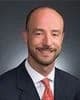
Attorney at Bottar Law, PLLC
Michael is an accomplished courtroom advocate who brings more than 20 years of experience to the prosecution of medical malpractice, wrongful death, construction accident, and other complex personal injury actions throughout the State of New York. He is a graduate of Colgate University and is a summa cum laude graduate of Syracuse University College of Law, where he was an Adjunct Professor of Law for a decade, co-authored the "Civil Practice" chapter of the Syracuse Law Review's Survey on New York Law, and served on the law school's Board of Advisors from 2012 to 2022. Michael is also the recipient of numerous awards, is a frequent CLE lecturer, and is the Immediate Past President of the Academy.
